
Medigap and Medicare Open Enrollment — What You Can (and Usually Cannot) Change
Medigap and Medicare Open Enrollment — What You Can (and Usually Cannot) Change
Every fall, Medicare Open Enrollment brings a flood of mailers, ads, and phone calls. Many people assume it's also the time to shop for a new Medicare Supplement (Medigap) policy.
In most states, it isn't. Switching at the wrong time, or dropping a policy too soon, can leave you paying more or unable to get the coverage back.
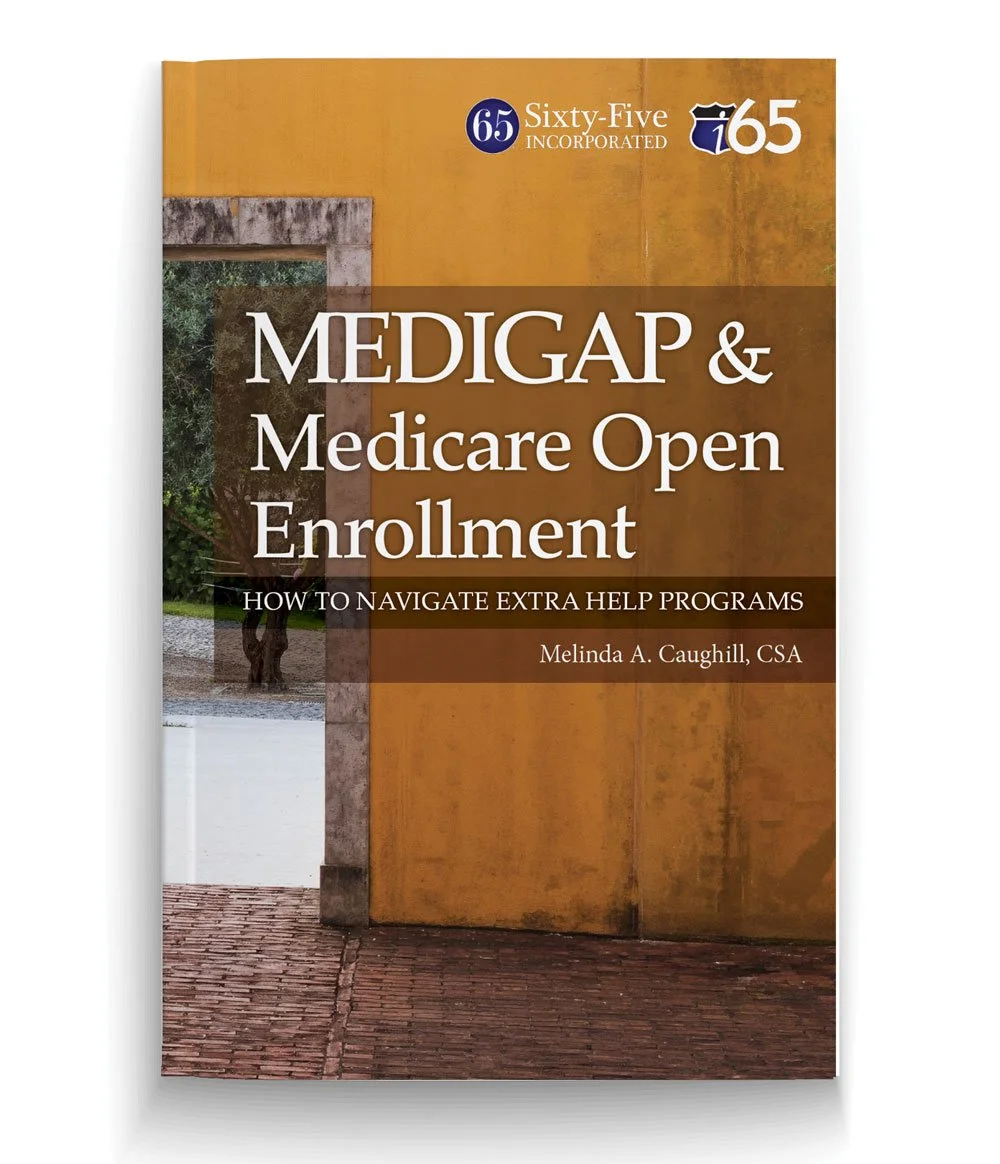
This RoadMap chapter walks you through the rules in plain English, so you can make changes with confidence and avoid the ones you can't undo.
What's inside:
What fall Open Enrollment actually covers, and why Medigap works differently
Your guaranteed issue rights, including when you can buy a Medigap policy without health questions
The costly fall mistake: what can happen if you drop Medigap for a Medicare Advantage plan
Birthday rules and other state protections, plus how to coordinate a Medigap switch with your Part D drug plan change
Today's Medigap market: why a double-digit premium increase doesn't automatically mean you're overpaying
How to review your current policy, including the three ways Medigap is priced and the three kinds of premium increases
How to compare prices and what to ask for beyond today's quote
A step-by-step checklist for switching safely
A script to use when you call an insurance company
Includes a State Supplement covering Medigap switching rules for all 50 states and Washington, DC. It covers birthday rules, anniversary rules, year-round protections, and new state laws taking effect in 2026 and 2027.
Written by a Medicare expert who doesn't sell insurance.
65 Incorporated earns no commissions. This guide exists for one reason: to help you understand your rights before you make a decision.